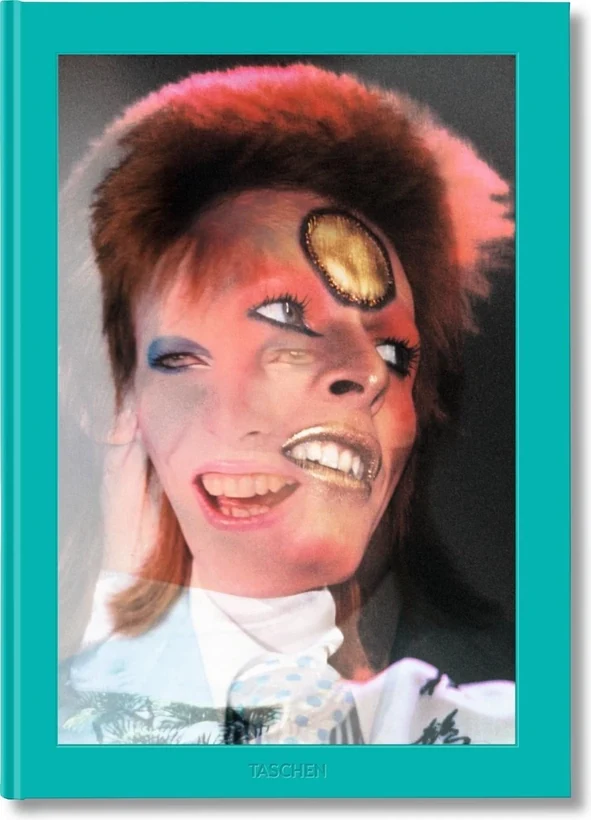
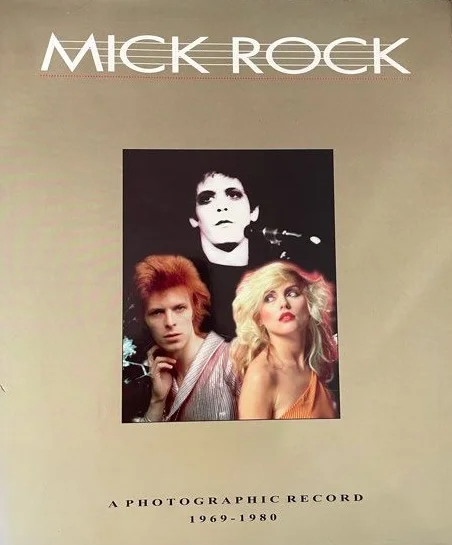
A Photographic Record 1969–1980
Century 22 Books · 1995
Rock’s first collected volume, covering the photographs made between 1969 and 1980. Foreword by Lou Reed.
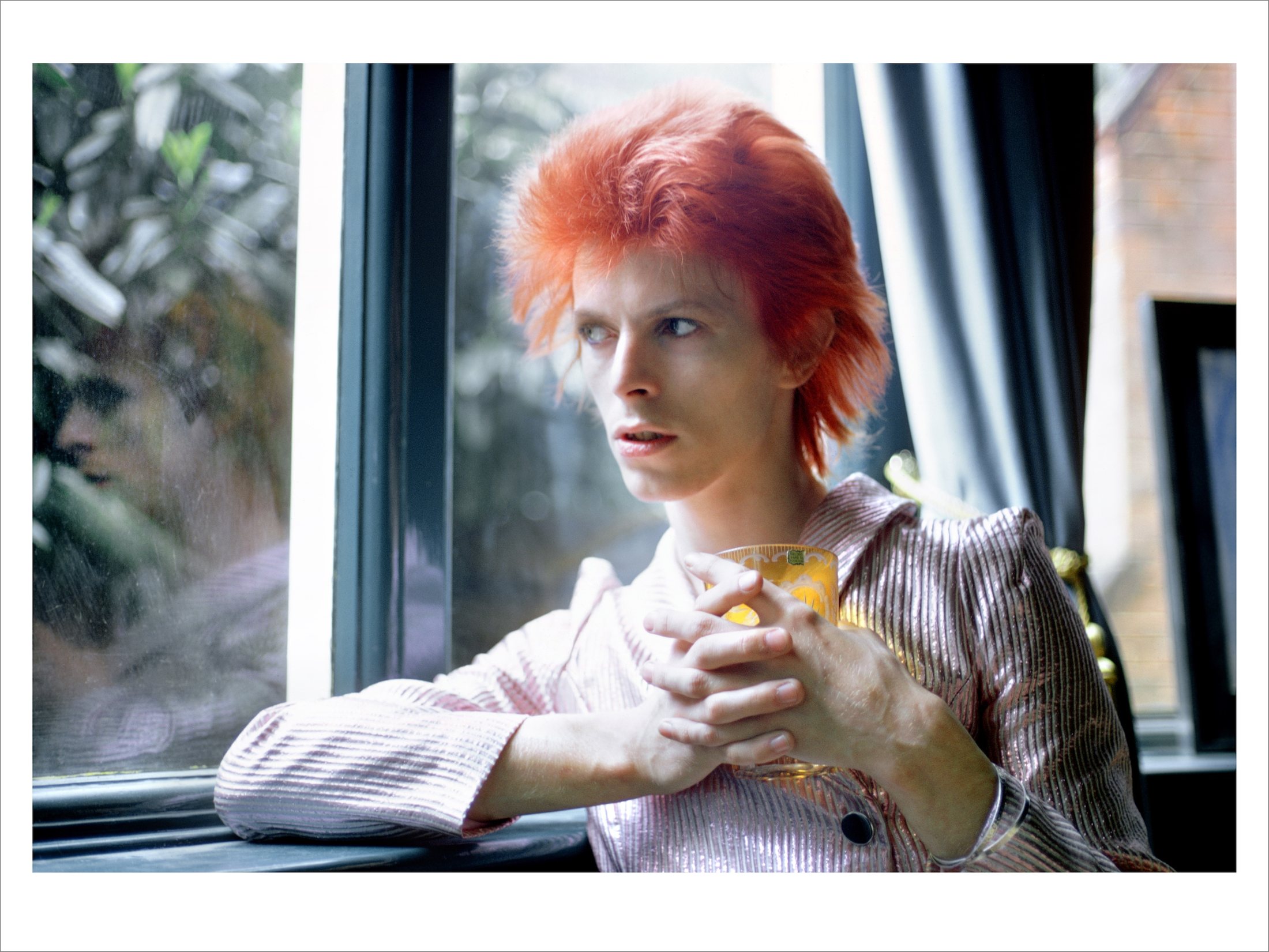
Mick Rock made the images that defined an era.
The Mick Rock Estate preserves, studies and advances the photographic legacy of Mick Rock.
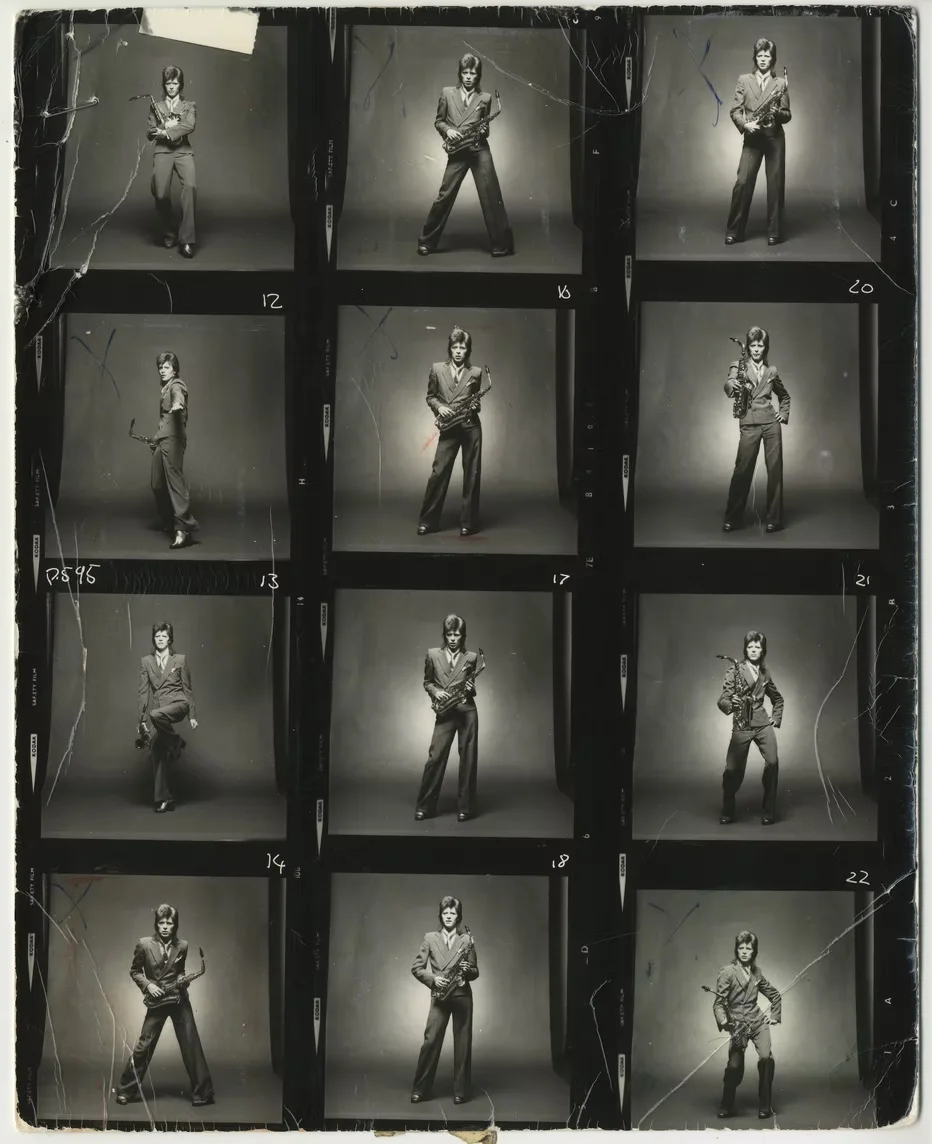
The archive encompasses original negatives and transparencies, contact sheets, vintage and reference prints, Polaroids, publications, moving-image materials and related documentation spanning more than five decades of photographic practice.
The Mick Rock Estate is an active steward of this material. Its work includes preservation and cataloguing, digitisation and research, authentication and provenance, the documentation and recovery of historical works, museum loans and touring exhibitions, curatorial and scholarly access, publications, licensing and long-term institutional projects.
The Estate works with museums, curators, scholars, publishers and its primary gallery to make the archive accessible while maintaining the integrity of Mick Rock’s work.
Its purpose is not only to preserve the archive, but to deepen the understanding of Mick Rock’s contribution to photography, music and visual culture, and to ensure that the work remains available to future generations.
Ten photographs, made between 1969 and 1980, selected by the Estate as an introduction to a career spanning more than five decades.
They are neither a survey of the archive nor a complete account of the artists Mick Rock photographed. They mark a sequence of moments — the Barrett sessions, the invention of Ziggy Stardust, the glam years and the move to New York — through which the whole of his practice can be read.
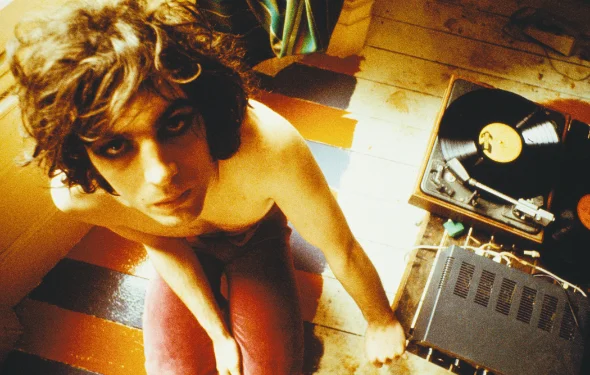
Rock knew Barrett from Cambridge, and photographed him in 1969, after his departure from Pink Floyd and shortly before he withdrew from public life. The session in Barrett’s London flat produced the cover of his first solo album and remains among the most substantial photographic records of him. It also established the working method Rock carried through the rest of his career: personal acquaintance, no entourage, and a subject willing to be seen. Everything that followed began here.
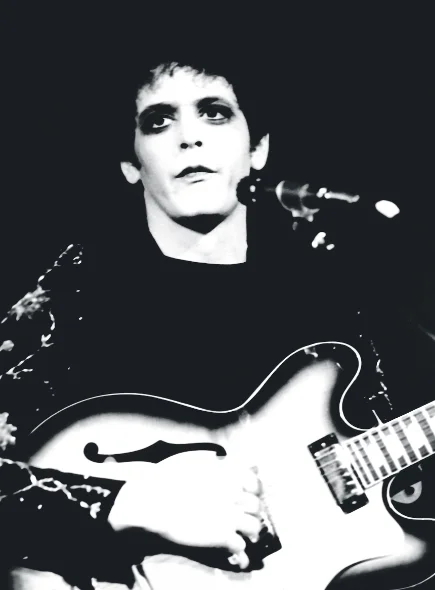
Rock’s photographs of Reed begin at the London performances of July 1972, later commemorated by a Blue Plaque at the Scala, and continue at intervals for the rest of his career. The portrait associated with Transformer fixed Reed’s public image at the moment he emerged from the Velvet Underground into solo work. It was Reed’s invitation that subsequently brought Rock to New York — the decision that shaped the second half of his life and his practice.
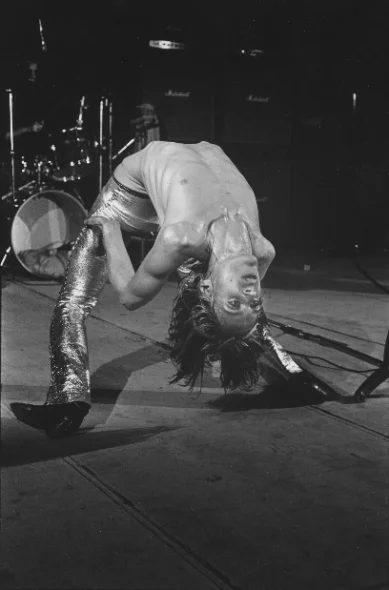
Rock photographed Iggy Pop at the same series of London performances that produced his Reed pictures, two defining bodies of work made within days of one another. The photograph used for Raw Power records a performer who treated his own body as the instrument, and gave the Stooges a visual identity as uncompromising as the record itself. It is the most physical register in Rock’s work, and evidence that he understood performance from inside it.
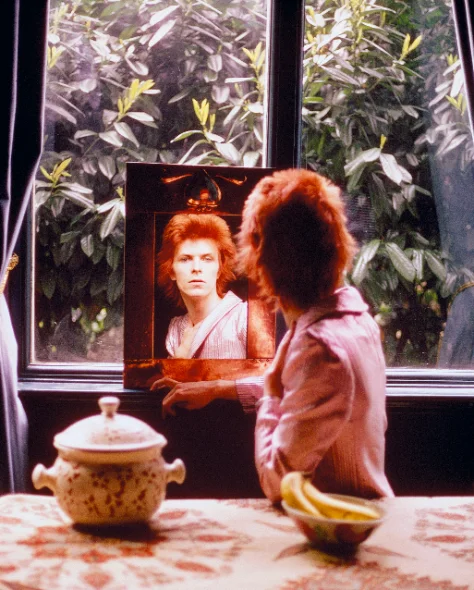
For two years Rock was Bowie’s official photographer, working alongside him almost daily as Ziggy Stardust grew from a London idea into an international performance. The access was extraordinary even by the standards of the time: rehearsals, dressing rooms and the hours in between. What survives is less a set of concert photographs than a continuous record of an artist constructing a persona in public, made by the one person permitted to stand inside the construction.
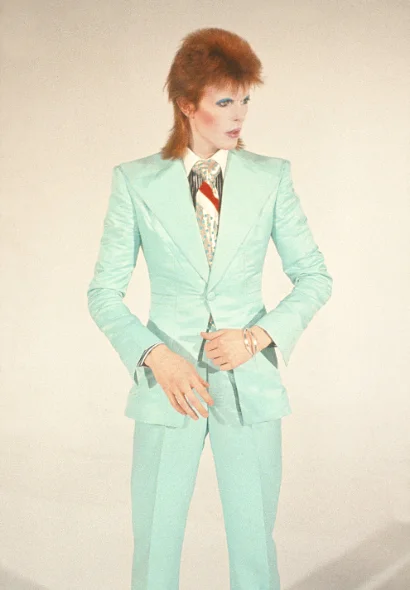
Rock filmed, directed and produced the promotional film for “Life on Mars?”, and these photographs come from the same session. The turquoise suit and the severe studio light belong to both works at once. The Bowie collaboration was never confined to the still camera, and this is its clearest instance: a photographer given authorship not only over how an artist would be seen, but over how he would move and be broadcast.
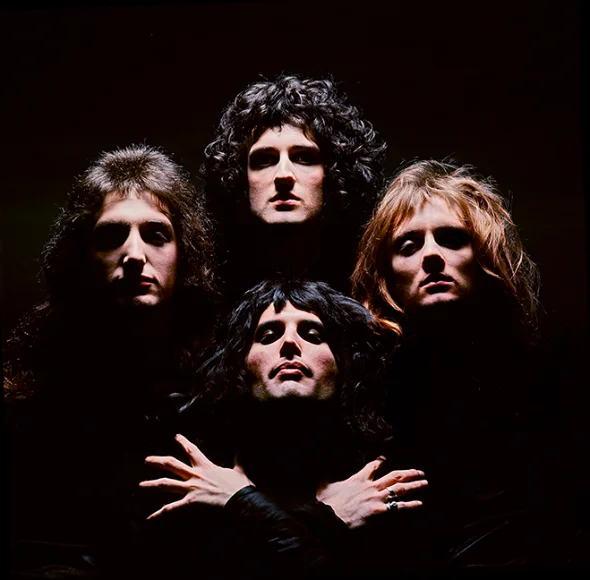
Rock photographed Queen at the beginning of their success, and the portrait he made — four faces emerging from black, arms crossed — became the cover of Queen II and then the band’s permanent signature. It was recreated for the opening sequence of the “Bohemian Rhapsody” video and quoted repeatedly thereafter. Few photographs are absorbed so completely by their subjects: the image stopped being a picture of the band and became part of how the band described itself.
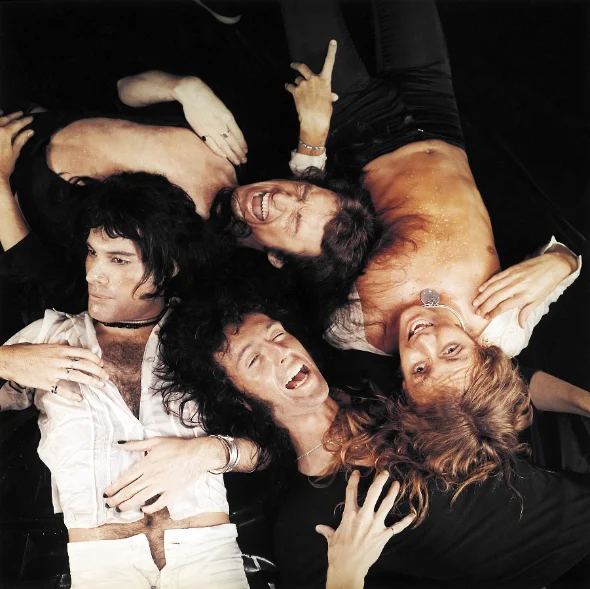
Made in the same year as the Queen II cover and deliberately its opposite: the band reclined and interlaced, lit warm, closer to a theatrical tableau than a group portrait. It is included here because it corrects a common assumption. Rock did not make one famous photograph of Queen; he built an entire visual vocabulary around them across a series of sessions, of which the black cover is simply the most reproduced part.
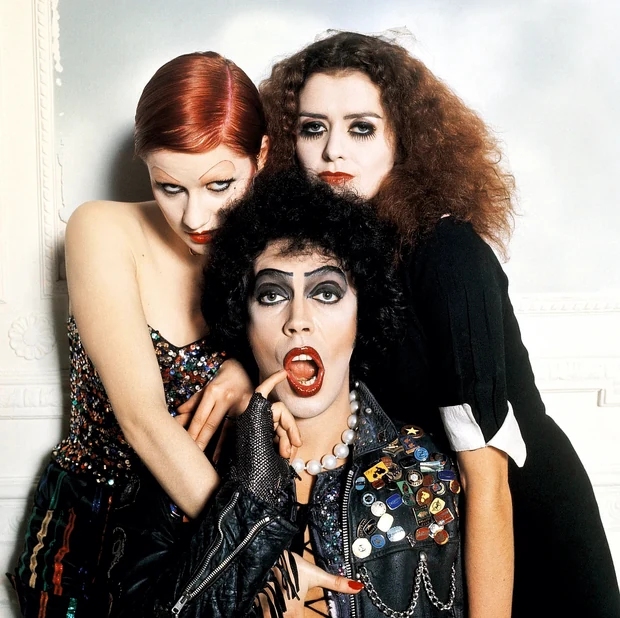
Rock entered The Rocky Horror Picture Show at the invitation of its director, Jim Sharman, who knew his cover for Transformer. Given unusual freedom on set, he photographed the production itself and the cast between takes, producing an intimate record of a film that would become a cultural phenomenon. The work carried his practice beyond music portraiture, drawing on the same instinct for theatricality, performance and transformation that runs through the glam-era photographs.
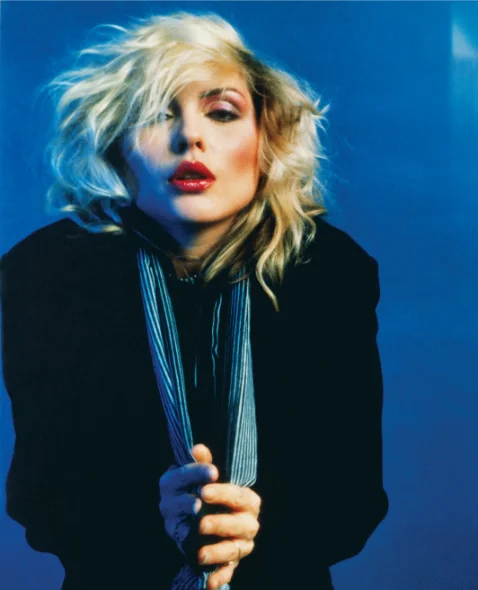
After settling in New York, Rock opened a studio on Madison Avenue and changed the way he worked: saturated colour grounds, direct flash, a deliberate artificiality far from the documentary manner of the London years. Harry sat for him repeatedly, and the portraits made there are among the defining images both of her and of the downtown scene she stood at the centre of. This is where Rock’s second career begins.
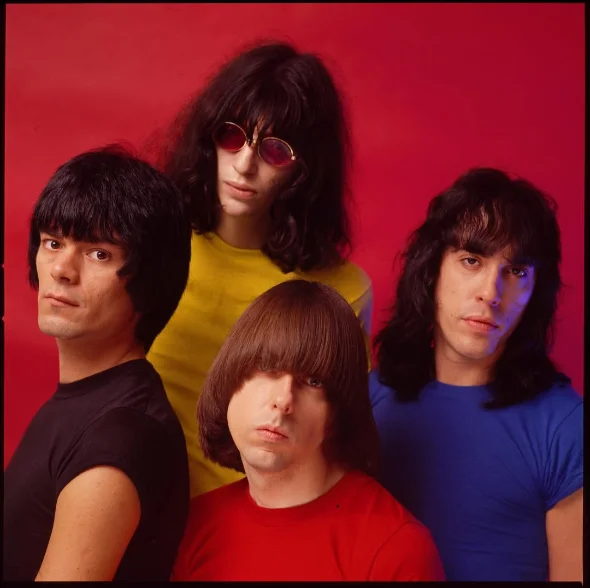
By the end of the 1970s Rock was photographing the musicians who had displaced the generation he started with. He made the cover for End of the Century, photographing the band much as he had photographed Queen: frontally, against flat colour, presented as a single shared identity. The selection closes here, where the London years and the New York years meet and the first arc of his career completes itself.
Plates selected from the archive by the Estate. No image may be reproduced without prior written permission.
Over five decades, Mick Rock’s work was exhibited extensively throughout the world. The following is a selected chronology of significant museum, institutional and gallery presentations.
Michael David Rock was born in London in 1948. An exceptional student, he attended Gonville & Caius College, Cambridge, where he studied Medieval and Modern Languages. His years at Cambridge exposed him to Romantic literature, French New Wave cinema, Impressionism and the wider visual and intellectual culture that would later inform his work.
Rock’s introduction to photography was characteristically accidental: a friend’s camera, a beautiful girl and an early experiment that awakened a lasting curiosity. After Cambridge, he attended the London Film School.
During this period, he supported himself through modelling and acting work, wrote for Rolling Stone magazine and worked with the influential graphic design group Hipgnosis.
Beginning with photographs of his Cambridge friend Syd Barrett in 1969, Rock increasingly devoted himself to photography.
Throughout his career, his work was distinguished by an unusual degree of access and intimacy with his subjects. His photographs documented — and often helped shape — the visual identities of some of the most influential figures in modern music: the quiet genius of Syd Barrett, the beginnings of stardom for Freddie Mercury and Queen, the raw physicality of Iggy Pop, the transformation of Lou Reed and the extraordinary evolution of David Bowie during the Ziggy Stardust years.
Between 1969 and 1975, Rock also photographed artists including Rory Gallagher, Thin Lizzy, Ozzy Osbourne, Lindsay Kemp, Bryan Ferry, Mott the Hoople, Ray Davies and Peter Gabriel.
His collaboration with David Bowie extended beyond still photography. Rock produced and directed the early Bowie films for “John, I’m Only Dancing”, “The Jean Genie”, “Space Oddity” and “Life on Mars?”.
During these years he created images that became inseparable from the history of rock music, including the covers of Iggy and the Stooges’ Raw Power, Lou Reed’s Transformer and Queen’s Queen II — the latter subsequently recreated in the opening sequence of Queen’s “Bohemian Rhapsody” video.
A fan of the Transformer cover, director Jim Sharman invited Rock to photograph the filming of The Rocky Horror Picture Show in 1974. Given exceptional access to the production, Rock photographed both the filming itself and individual portraits of its cast.
An invitation from Lou Reed brought Rock to New York, where he would eventually settle. From his Madison Avenue studio he developed a distinctive new body of work: saturated colour backgrounds, direct flash and a visual richness rarely associated at the time with rock photography. Among the artists who came through the studio were Blondie, the Ramones, Talking Heads, the Dead Boys, Carly Simon, Bette Midler and, repeatedly throughout his career, Lou Reed.
Over the following decades, Rock photographed figures across rock and roll, country, R&B, hip-hop, fashion, film and the wider cultural world. His subjects included Sir Tom Stoppard, Charles Aznavour, Liza Minnelli, Neil Sedaka, Andy Warhol and Truman Capote, as well as later generations of musicians and artists.
Over the course of his career, Mick Rock photographed more than one hundred album covers and published more than twenty books of his work. His photographs appeared in publications throughout the world and became part of the visual history of popular culture.
Rock later starred in the acclaimed television series On the Record with Mick Rock for Ovation and appeared in the Red Bull Films series Visions of Greatness. SHOT! The Psycho-Spiritual Mantra of Rock, a documentary about his life and career produced by Vice Films and Straight Up Films and directed by Barnaby Clay, premiered at the Tribeca Film Festival in 2016.
His work has been exhibited internationally in museums, cultural institutions and galleries across Europe, North and South America and Asia, and is represented in major public collections including the Victoria and Albert Museum in London and the Brooklyn Museum in New York.
In recognition of his contribution to music and visual culture, Rock was honoured with a Blue Plaque at the Scala in London, commemorating the July 1972 performances by Lou Reed and Iggy Pop that gave rise to photographs associated with Transformer and Raw Power.
Mick Rock died in New York on 18 November 2021.
Often described as “The Man Who Shot the Seventies”, his career ultimately encompassed more than five decades. His photographs did more than document musicians and performers: they helped construct the visual language through which many of the defining figures of modern music continue to be remembered.
“I was in the right place at the right time with the right people.” Mick Rock
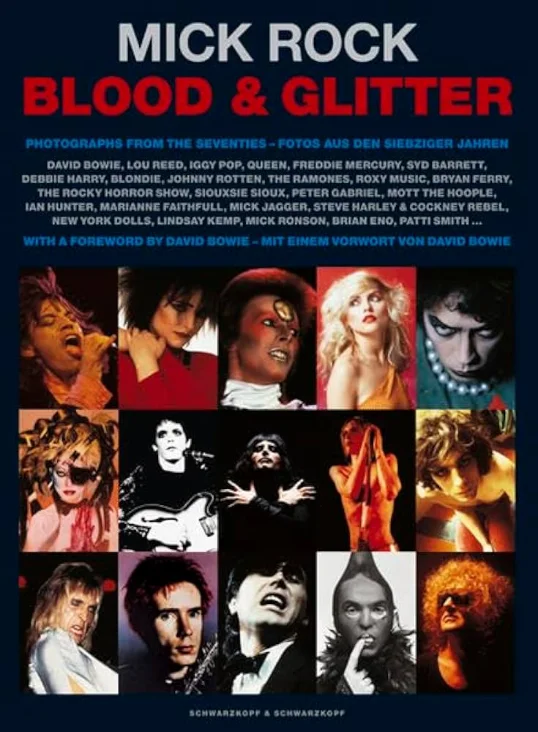
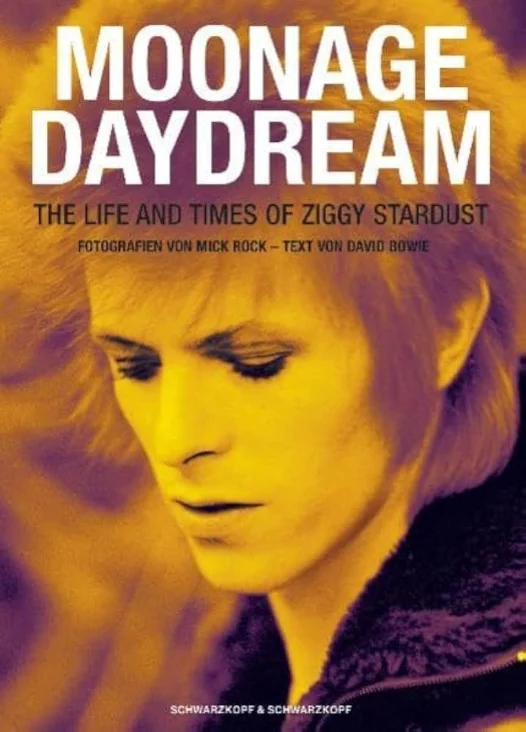
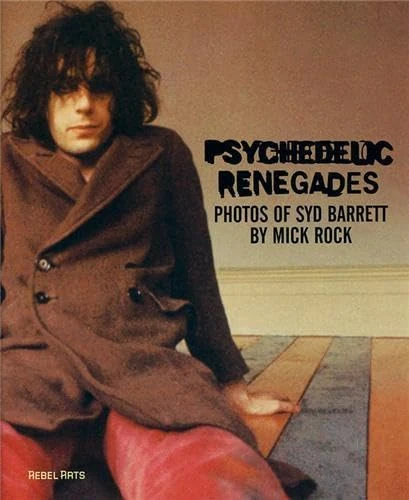
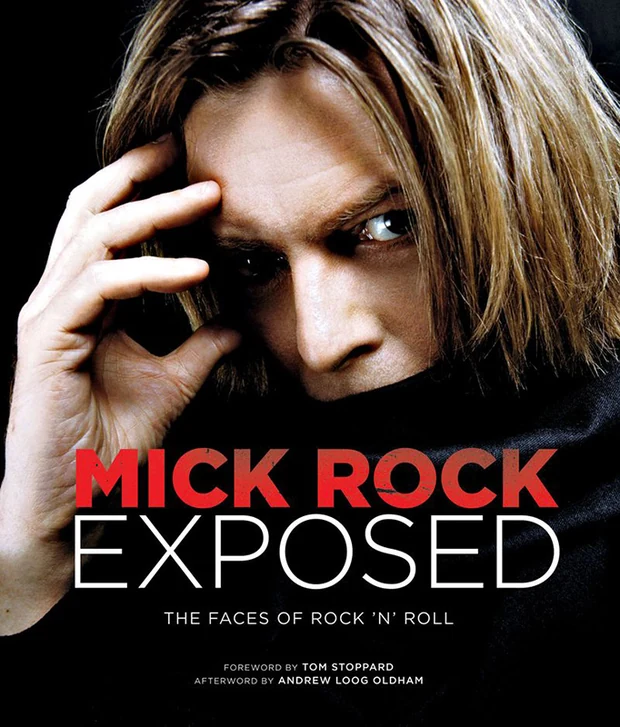
Monographs, catalogues and photographic books drawn from the archive.
Three promotional films for David Bowie, each filmed, directed and produced by Mick Rock.
Filmed, directed and produced by Mick Rock to accompany the release of the single. Shot during the Ziggy Stardust period.
Watch on YouTubeFilmed, directed and produced by Mick Rock on location in San Francisco and New York during Bowie’s first American tour.
Watch on YouTubeFilmed, directed and produced by Mick Rock at the Rainbow Theatre, London, with David Bowie and The Spiders from Mars.
Watch on YouTubeAlso held in the archive: Space Oddity (1972), filmed, directed and produced by Mick Rock; and SHOT! The Psycho-Spiritual Mantra of Rock (2016), the documentary about his life and career, directed by Barnaby Clay.
The Estate administers the reproduction, exhibition and licensing of Mick Rock’s photographic and moving-image archive.
Each enquiry is considered individually. Permission to reproduce is granted at the Estate’s discretion and is never automatic. No image may be reproduced, exhibited or distributed without prior written permission.
The Mick Rock Estate does not sell prints directly.
The Music Photo Gallery holds the Estate’s primary representation for authorised works: limited-edition prints, works signed by Mick Rock during his lifetime, vintage photographs and selected rare works from the Estate archive. Works are available from the gallery directly, and through the galleries it supplies.
Authentication, permissions and the administration of the archive remain with the Estate. Enquiries concerning the acquisition of works are directed to the primary gallery; all other enquiries are answered by the Estate.
For archive research, licensing and permissions, museum loans, exhibitions, curatorial and publishing projects, institutional collaborations and general Estate enquiries, please contact The Mick Rock Estate.